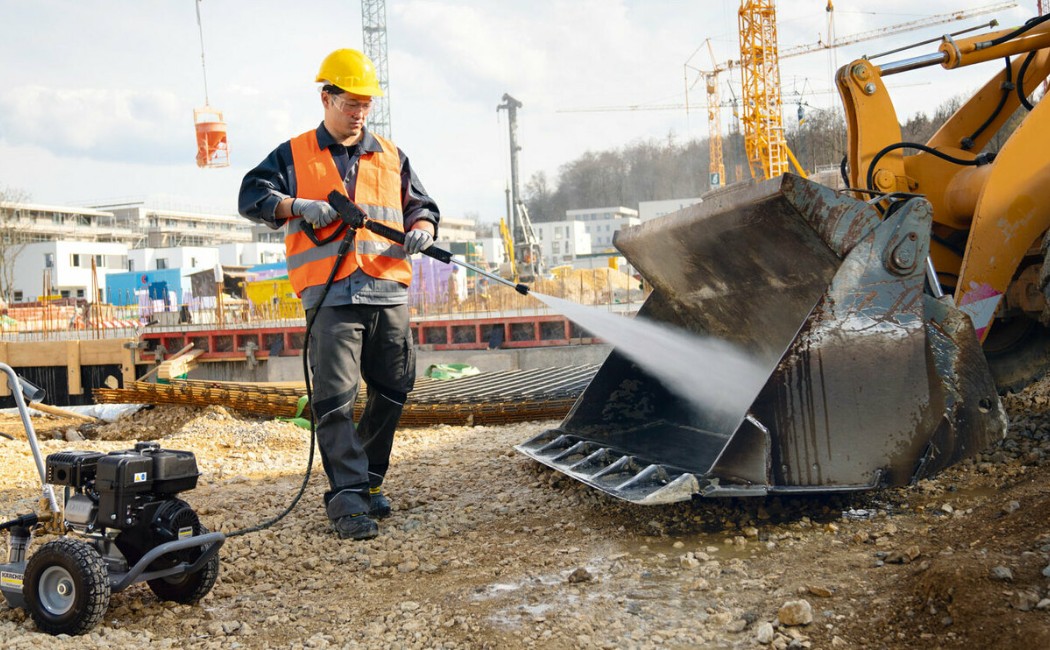
Excavators are crucial machines in construction, mining, and commercial projects; however, daily exposure to dust, dirt, grease, and chemical compounds can shorten their lifespan and decrease their efficiency. Neglecting proper cleaning not only accelerates wear and tear but can also lead to costly repairs and safety hazards. Excavator washing services provide a comprehensive solution, removing debris from tracks, undercarriage, hydraulic lines, and operator compartments.
Regular cleaning enhances performance, ensures protection, and allows preservation of compliance with industry standards. In this blog, we’ll discover why expert washing services are essential, the cleaning procedure, protection recommendations, and the benefits that make routine washing an essential practice for equipment strength.
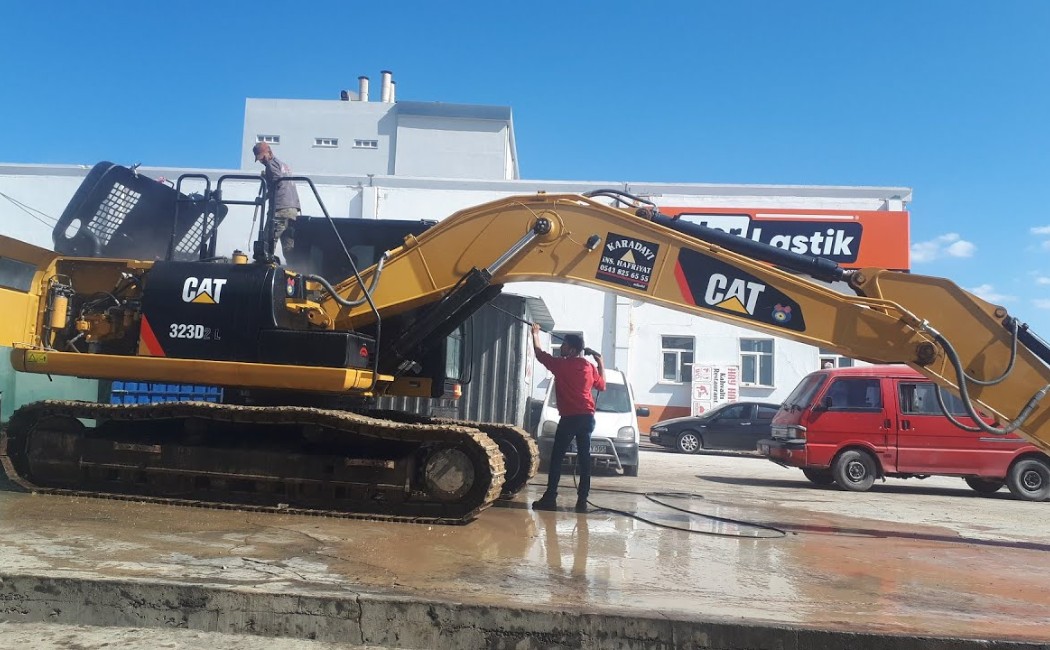
How Does Dirt Affect Excavator Performance?
Heavy machinery like excavators faces daily exposure to soil, grease, and chemical residues. If not cleaned often:
- Dirt and particles accumulate on hydraulic lines and joints.
- Rust and corrosion shape steel surfaces.
- Operator structures, protection labels, and decals become obscured.
- Engines and cooling structures may overheat because of blocked radiators.
Ignoring these problems results in increased preservation costs, downtime, and even protection hazards. Professional excavator cleansing prevents those problems and maintains system performance.
What Does a Professional Excavator Washing Service Include?
Excavator washing offerings are greater than just a floor rinse.
Typical services consist of:
- Pre-wash inspection: Identifying damage, rust, or regions of heavy debris.
- Debris removal: Using hoses, brushes, or air compressors to remove mud, grease, and stones.
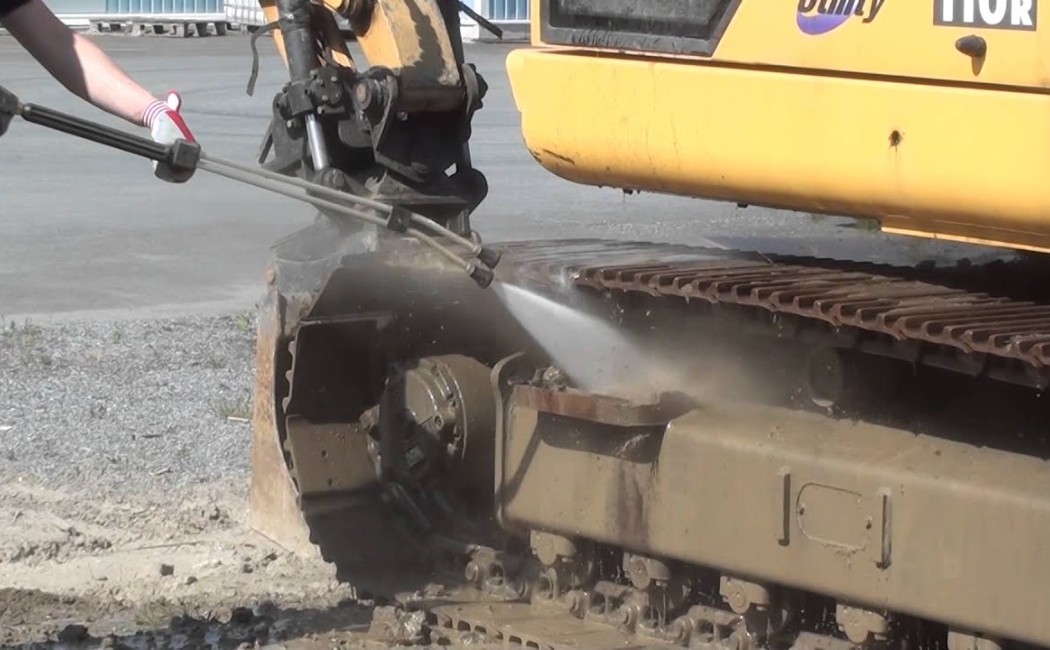
- High-stress washing: Focusing on tracks, undercarriage, engine cubicles, and hydraulic lines.
- Degreasing and detailing: Applying business-secure detergents to cast off oil and cussed residues.
- Final inspection: Checking for leaks, worn elements, or hidden damage.
- Documentation: Recording areas wiped clean and any upkeep troubles discovered.
This guarantees that your excavator is not simply smooth, however geared up for safe, efficient operation.
How Frequently Do Excavators Need to be Cleaned?
The site’s characteristics and machine usage determine how frequently an excavator should be cleaned:
- Daily Washing: Perfect for searching or mining activities.
- Weekly Cleaning: Ideal for building sites where mud and dust exposure is modest.
- Deep Cleaning Once A Month is essential for seasonal inspections and preventative maintenance.
Frequent cleaning extends the life of equipment, lessens wear and tear, and guarantees adherence to environmental and safety standards.
Why Regular Excavator Washing Services Matter?
1. More Efficient Machine Performance
Construction equipment is regularly exposed to harsh environmental conditions, including dust, satisfactory dust, sand, and dirt, as well as corrosive materials. Regular cleaning as directed via the operator’s guide will offer several benefits. Corrosion, rust, and clogged filters can be prevented by keeping an easy exterior and indoors of your system clean.
Make time at the end of each workday to clean out debris that can contribute to buildup. Removing substances promptly prevents damage to additives and untimely buildup.
2. Increased Job Site Safety
Clean construction devices are crucial to ensure the safety of you, your operators, and others on the construction site.
For example, frequently cleaning machine surfaces: steps, grasp bars, and handrails complements safety by ensuring a solid grip and footing when using three points of contact to enter and exit the cab. Don’t forget about washing equipment and lighting to help increase visibility.
1127 Under Pressure offers additional light kits and rotating beacons for improved visibility.
3. Stability of Lateral Tracks
Track stability under dynamic loading circumstances is directly impacted by clean ballast’s better lateral resistance over contaminated material. Effective ballast cleaning procedures result in a 10–30% increase in the track’s lateral resilience and stiffness. While eliminating particles that lessen interlocking between stones, the excavator ballast cleaning hopper guarantees consistent ballast distribution.
Railway engineers understand that under cycles of thermal expansion and contraction, lateral stability keeps the gauge width appropriate and prevents track buckling. The cleaning procedure makes the ballast more resilient to lateral stresses produced by train travel, especially when heavy freight or high-speed operations are involved. This improved stability preserves constant geometric characteristics and lowers the frequency of track realignment operations.
4. Enhanced Company Image and Reputation
Cleanliness speaks volumes about a production agency’s professionalism and attention to detail. A fleet of properly-maintained construction equipment sends a powerful message that your enterprise values great safety and reliability. It can set your enterprise apart from competitors.
Take the time to make easy maintenance to panels (or replace them if needed) in addition to repairing scratches or dents on your machines. It can go a long way closer to impressing your customers.
5. Better Maintenance and Inspection
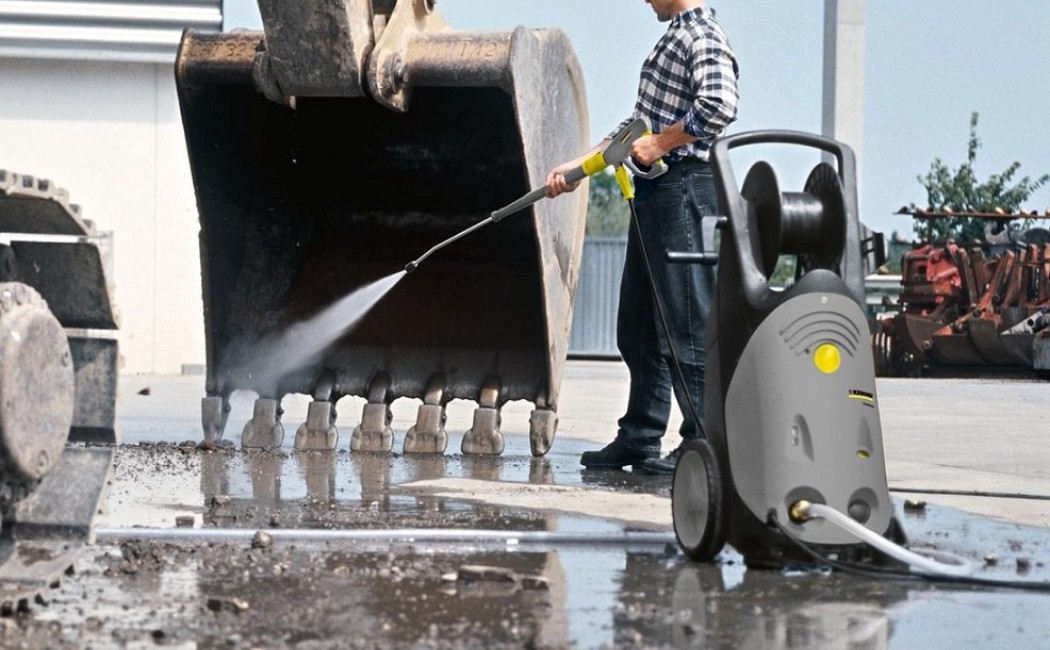
Regular cleaning allows for simpler maintenance and inspection of your device. Every equipment you own must have a preservative material, which you can find within the operation and maintenance guide. Following this schedule is the best way to get the overall performance you anticipate out of your machines as they age.
6. Increased Value at Resale
Maintaining a cleaning schedule can increase the equipment’s market value and attract more purchasers. A clean machine might stand out on the market since it indicates that it has had regular maintenance and servicing over its lifetime. If a machine gives more value than comparable alternatives, buyers could be willing to pay more for it.
7. Equitable Distribution of Loads
Differential settlement and geometric distortions result from the uneven support conditions caused by contaminated ballast. By guaranteeing consistent stabilizer quality across the track construction, the excavator ballast cleaning hopper solves these problems. By avoiding the development of hard and soft patches that hasten track deterioration, clean ballast preserves constant load transfer characteristics.
According to maintenance experts, joint wear and rail corrugation are considerably less common when loads are distributed uniformly. By reducing the dynamic forces transferred to the track structure, the cleaned ballast offers constant support elasticity. This consistency maintains the best possible ride quality for railroad operations while extending the service life of rails, fasteners, and sleepers.
What Are Some Excavator Maintenance Tips?
Cleaning is a part of a broader excavator preservation habit:
- Check hydraulic lines, hoses, and fittings regularly
- Inspect undercarriage components for wear or damage.
- Lubricate shifting components after washing.
- Keep tracks, tyres, and bucket enamel free from debris.
- Schedule expert inspections after deep cleansing classes.
Combining these recommendations with ordinary washing maximises machine toughness.
Why Are We the Best Excavator Washing Company For Your Project?
At 1127 Under Pressure, we are trusted for our expert washing services. Our team of excavator washing professionals offers industrial system cleaning, heavy system washing, and excavator cleaning services tailored to your fleet’s needs.
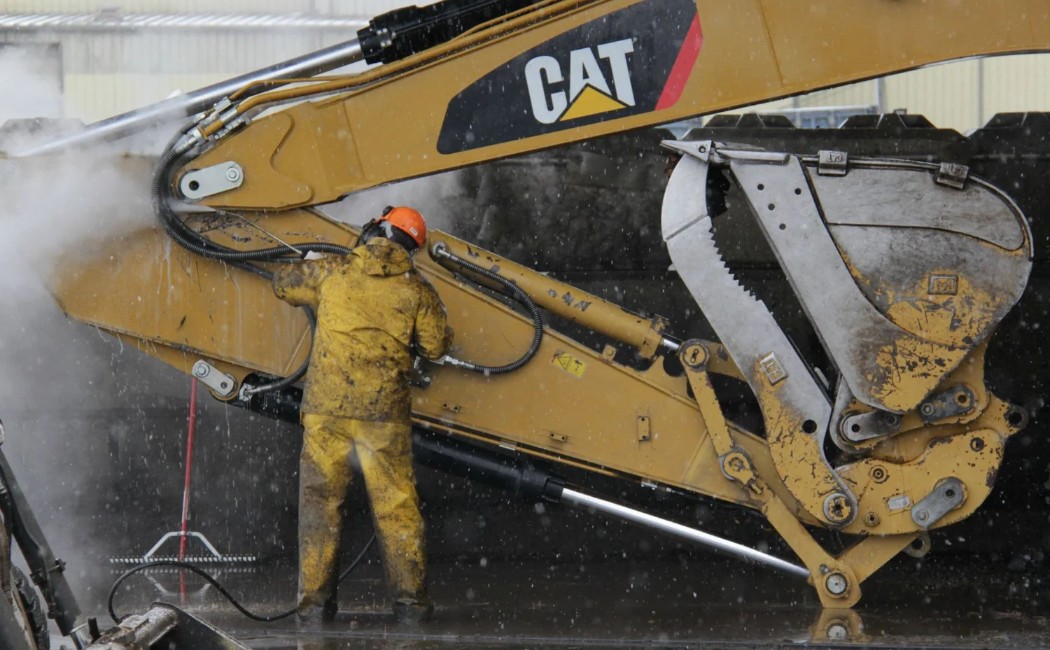
We use advanced high-pressure structures, green detergents, and industry-authorised strategies to eliminate dirt, grease, and chemical buildup while retaining machinery integrity. Whether you need excavator stress washing, detailing, or preventive protection aid, our team provides green, reliable, and fee-powerful services that protect your funding and enhance equipment performance.
Conclusion Remarks
For extended equipment lifespan, increased safety, and affordable repairs, regular excavator washing services are essential. Working together with our experts, who guarantee that your equipment remains hygienic, functional, and in accordance with industry standards. Make an appointment for expert excavator cleaning services right now to avoid performance issues caused by dirt, muck, or oil. With the help of reliable professionals, you can safeguard your investment, increase efficiency, and keep a polished appearance. For a free consultation and to learn more about our superior excavator cleaning services that are intended to keep your fleet long-lasting, dependable, and safe. Get in touch with 1127 Under Pressure right now.
FAQs
Q1. How frequently should I arrange for expert excavation cleaning services?
Your usage and work environment will determine this. Weekly cleaning is best for building sites with a lot of mud or trash. A monthly excavator cleaning service guarantees effectiveness and extended equipment life for moderate use.
Q2. What Does Expert Washing Services Include?
Pre-inspection, dirt removal, degreasing, high-pressure washing, detailing, and a final maintenance check to find leaks or damage are all included in a comprehensive service.
Q3. Are Services for Excavator Washing Eco-Friendly?
Indeed, trustworthy excavator cleaning companies adhere to environmental regulations by using certified excavator washing methods, wastewater recovery systems, and eco-friendly detergents.
Q4. Can routine washing enhance the performance of an excavator?
Absolutely. Frequent cleaning keeps hydraulics operating smoothly, prevents corrosion-causing buildup, and lowers overheating, all of which improve safety and prolong lifespan.
Q5. Why not do it internally instead of hiring experts?
With the proper equipment, pressure systems, and detergents, certified excavator washers can safely clean without causing harm to delicate parts. Compared to do-it-yourself washing, it saves time, guarantees compliance, and produces better results.